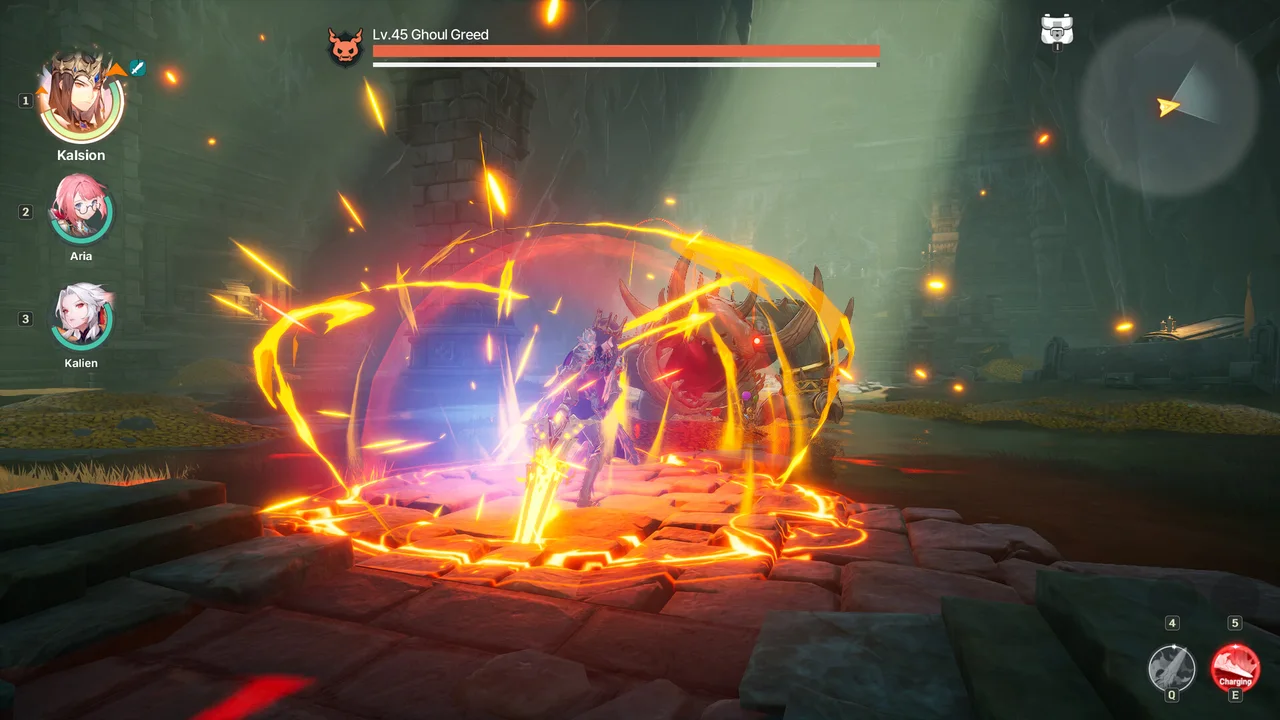
The DragonSword Awakening combat guide sequence
A clean DragonSword Awakening combat guide sequence begins with an Active Skill that applies or advances an ailment. The game then exposes a response window for a compatible Signal Skill. Triggering that response brings the next Hero into the exchange; a Switching Signal can continue the route into a third slot. The result looks fast, but the decision underneath is ordered: setup, read, answer, extend.
Practice the sequence without chasing maximum damage. Choose one durable enemy, use the same opener, and wait for the visible state change or Signal cue. If the cue disappears before the second Hero arrives, shorten the opener or move the response Hero into a more accessible slot. This DragonSword Awakening combat guide treats consistency as the first optimization because an elaborate route that fails under pressure contributes less than a short chain that survives a boss pattern.
- Setup with an Active Skill
- Confirm the Status Ailment
- Answer with the compatible Signal Skill
- Extend only while the enemy window remains safe
What each Status Ailment communicates
The official DragonSword Awakening combat guide source divides nine Status Ailments into physical and elemental groups. Physical covers Stun, Down, Airborne, and Break; elemental covers Burn, Chill, Poison, Shock, and Bleed. The roster filter currently exposes Knockdown, Shock, Freeze, Airborne, and Bleed because those are the labels with documented Hero associations in the available launch references. Stun, Break, Burn, and Poison remain part of the official system even when no current filter row uses them.
These labels describe combat relationships, not universal power. A Freeze team is valuable when the encounter allows control and when the next slot can capitalize on the pause. Knockdown can be less useful if the chosen response misses grounded targets. Bleed pressure can fit a longer opening but may lose value if a boss phase ends immediately. Compare the complete three-slot route against the encounter rather than comparing ailment names in isolation.
- Physical: Stun, Down, Airborne, Break
- Elemental: Burn, Chill, Poison, Shock, Bleed
- Roster wording also uses Knockdown and Freeze
- Confirm the live target icon before switching
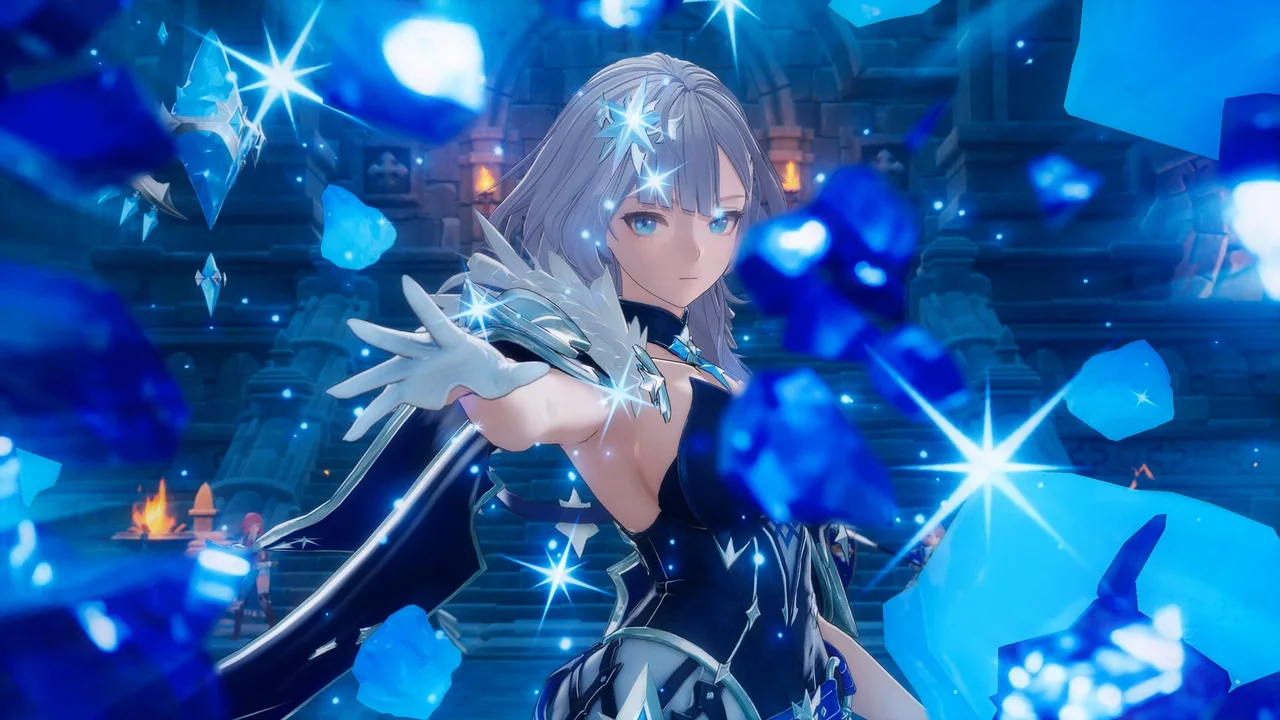
Place Heroes by function, not popularity
DragonSword Awakening combat guide slot order should describe a sentence. The first Hero creates the condition. The second gives the strongest reliable answer. The third either restores control, covers the exit, or converts the remaining window into damage. If two favorite Heroes expect the same setup but neither applies it reliably, they belong in separate experimental teams until another slot solves the missing link.
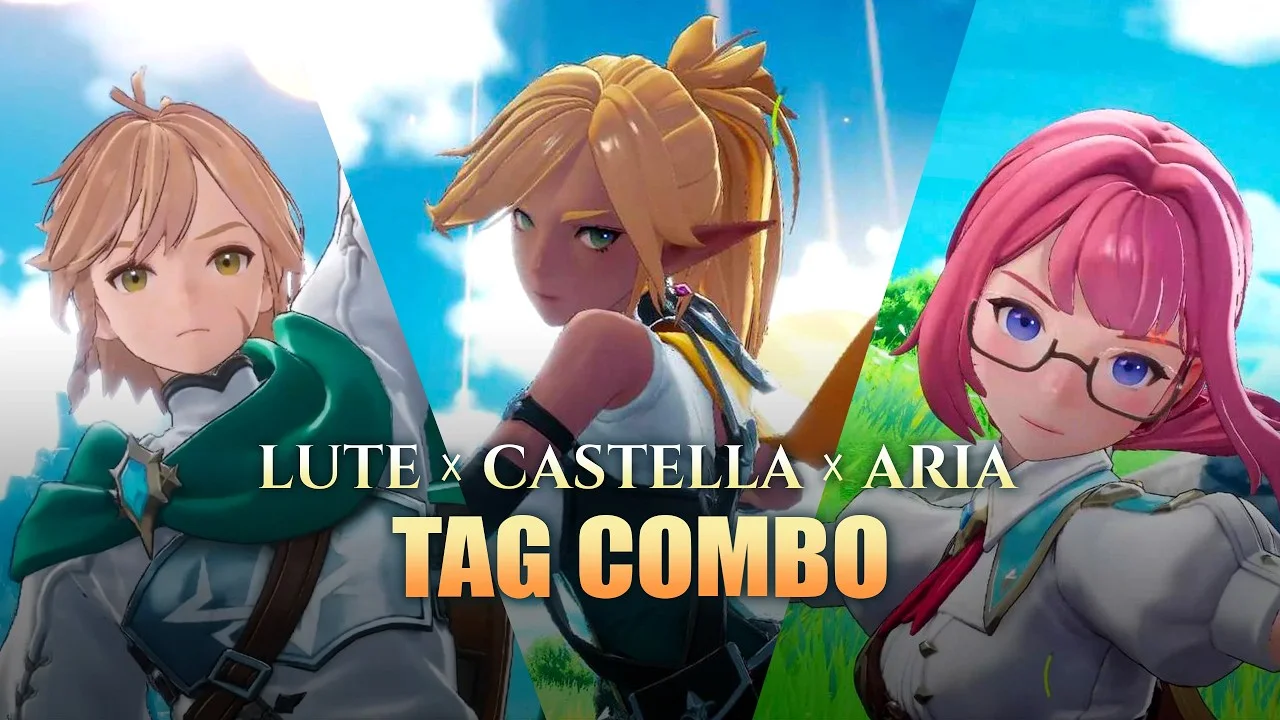
The official Lute, Castella, and Aria preview demonstrates why formation order matters. It presents three recognizable portraits and makes the handoff itself the spectacle. The same logic appears in the Steam screenshot that places Kalsion, Aria, and Kalien against Ghoul Greed. The exact values are less important for learning than the visible fact that the party interface is always showing the next possible responder. Build a second formation only after the first can complete its setup and response consistently; that creates a useful comparison instead of two unfinished experiments.
Boss discipline and failed chains
The DragonSword Awakening combat guide does not force a full route into an unsafe boss animation. End the chain when a telegraph demands movement. Preserving the next Hero and rebuilding the ailment is usually better than completing a planned switch into damage. Positioning also changes which follow-up connects: an Airborne target, a grounded target, and a large boss can present different hit boxes even when the Signal cue appears.
When a chain fails, identify one broken link. If the ailment never appeared, check the opener. If the cue appeared and vanished, check timing or animation length. If the response arrived but missed, check range and target position. If the third slot had nothing useful to do, change formation order. This diagnosis is faster than replacing the entire team after every unsuccessful attempt. Repeat the same opening once after each change; a different enemy pattern can otherwise hide whether the adjustment solved the original failure.
A practical DragonSword Awakening combat guide drill
Begin the DragonSword Awakening combat guide drill with two Heroes and one ailment. Repeat the opener until the target state is easy to recognize without staring at the portrait column. Add the response and repeat until the switch lands ten times without a dropped cue. Only then add slot three. Test the same chain against a small enemy, a heavy enemy, and a boss-sized target to see how launch height, ground state, and travel distance change the route.
Record the chain in plain language: who starts, which ailment appears, who answers, and what ends the sequence. A note such as “Lute setup → Knockdown → Castella response → Aria exit” is more useful than a long list of button presses because it survives control remapping and small balance changes. Use the Hero index to find another character in the same ailment family when a route needs a different range, role, or safer recovery.
Official tag-combo preview
Questions
What is a Signal Skill?
A Signal Skill is the response step in DragonSword : Awakening's tag combat. After an Active Skill creates the expected Status Ailment or opening, a compatible Hero can answer that Signal and enter the sequence. Read the target state first, because a glowing portrait does not make an unsafe switch compulsory.
Why does a Hero portrait light up?
A lit or prompted portrait indicates that the current target state can be answered by that Hero. Treat it as a time-sensitive combat relationship, not a command to switch immediately if a boss attack makes the handoff unsafe. Dodge the telegraph, rebuild the ailment, and use the next safe response window.
How many Heroes are in one team?
The combat interface and official previews use three active party slots. The full launch roster contains 19 Heroes, so team building is about selecting three compatible parts of one Signal route. Assign one setup, one response, and one extension or safe exit before comparing alternative Heroes in the same ailment family.